
SRDH Year in Review: 2025
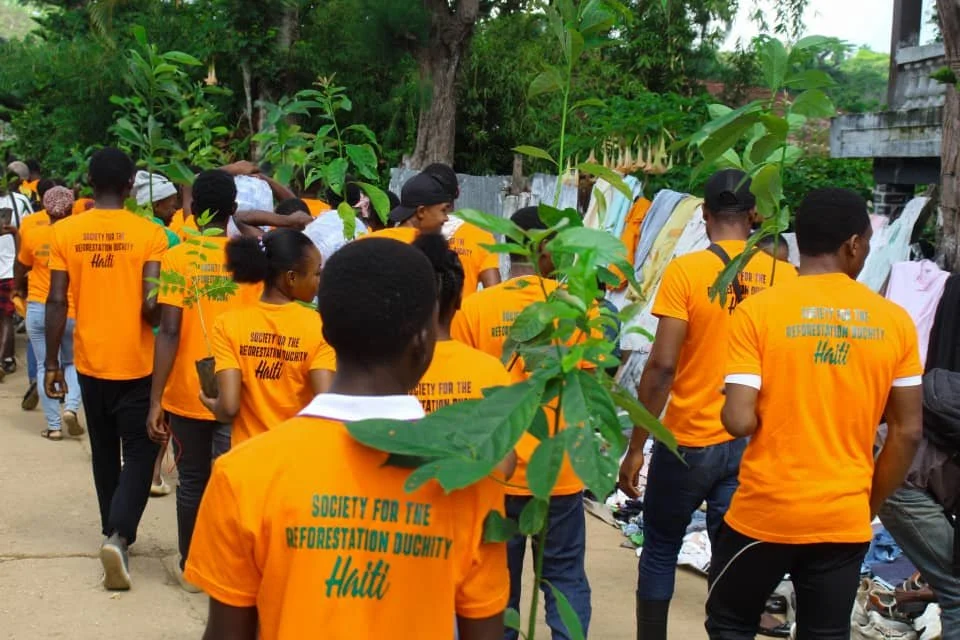
Participants in the May 1 community tree planting event
Our Highlights:
834 trees planted in community forests and on privately-owned farms!
May 1 Event completed
Leased 85 acres to start our third community forest
Our team now includes 33 people, with increasing participation from the community
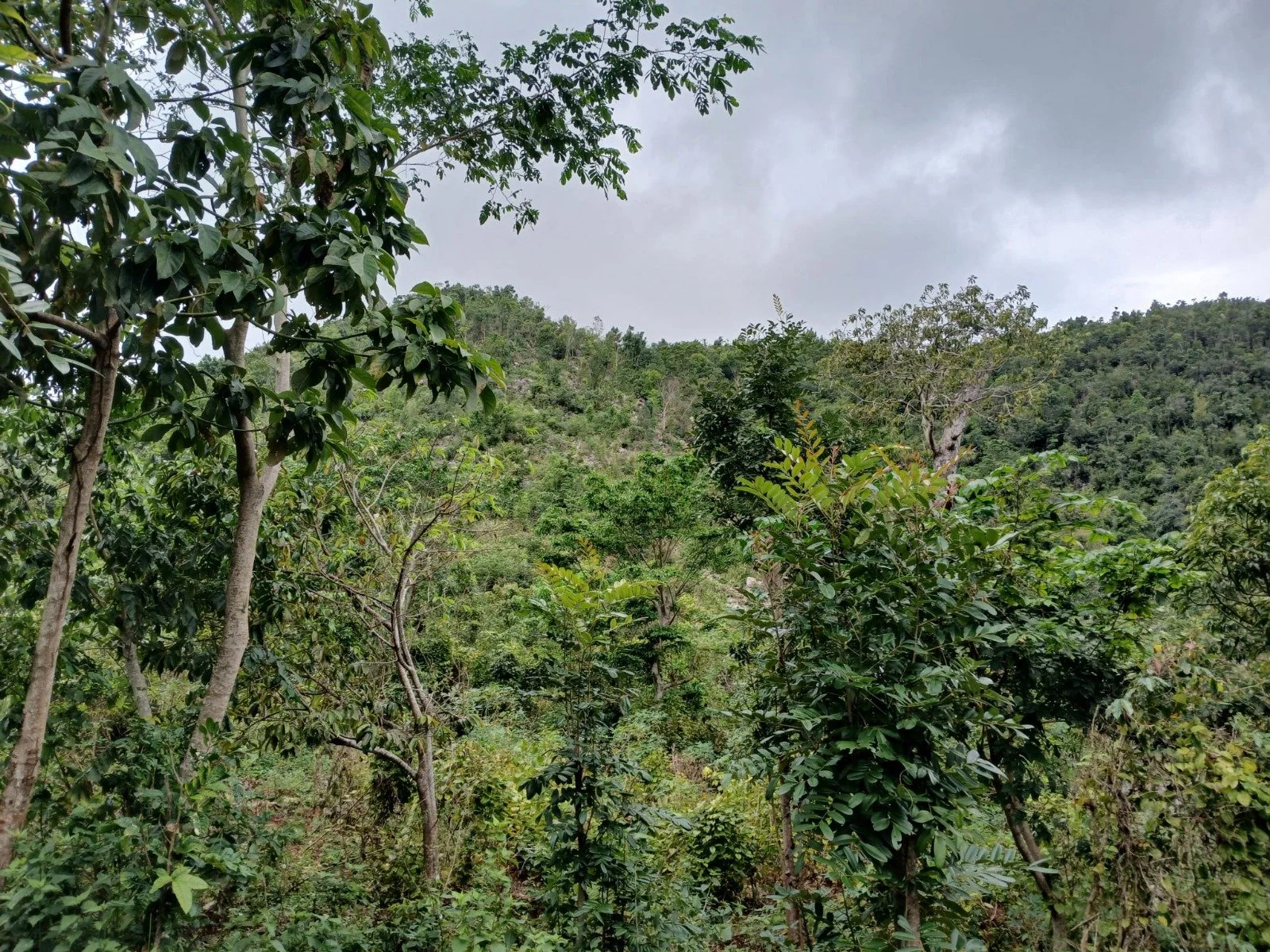
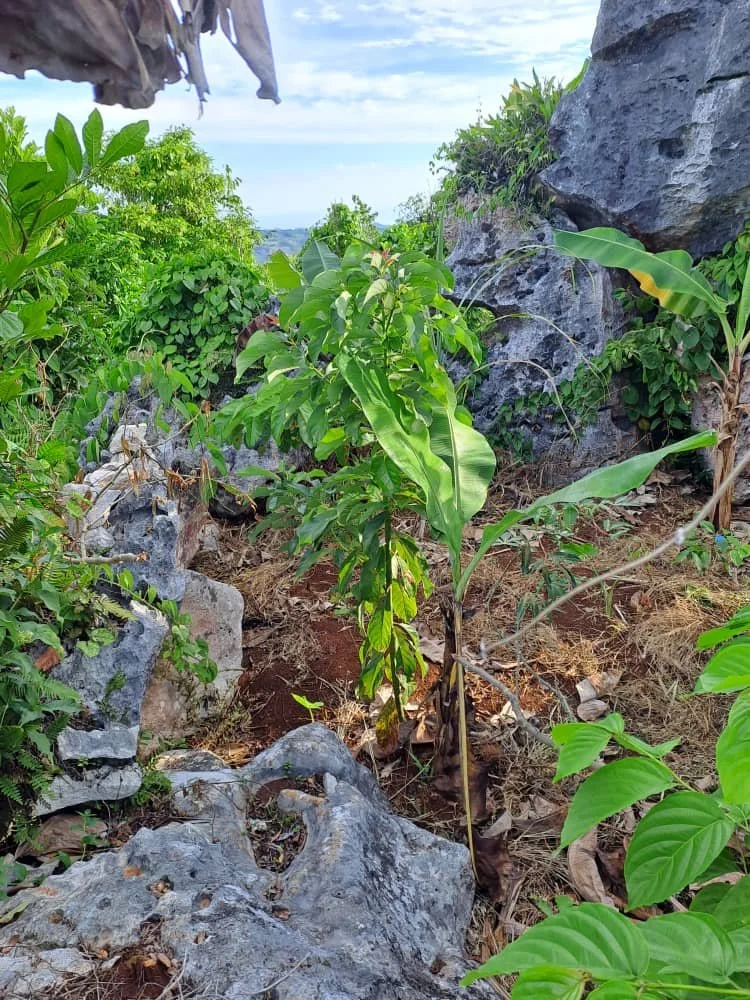
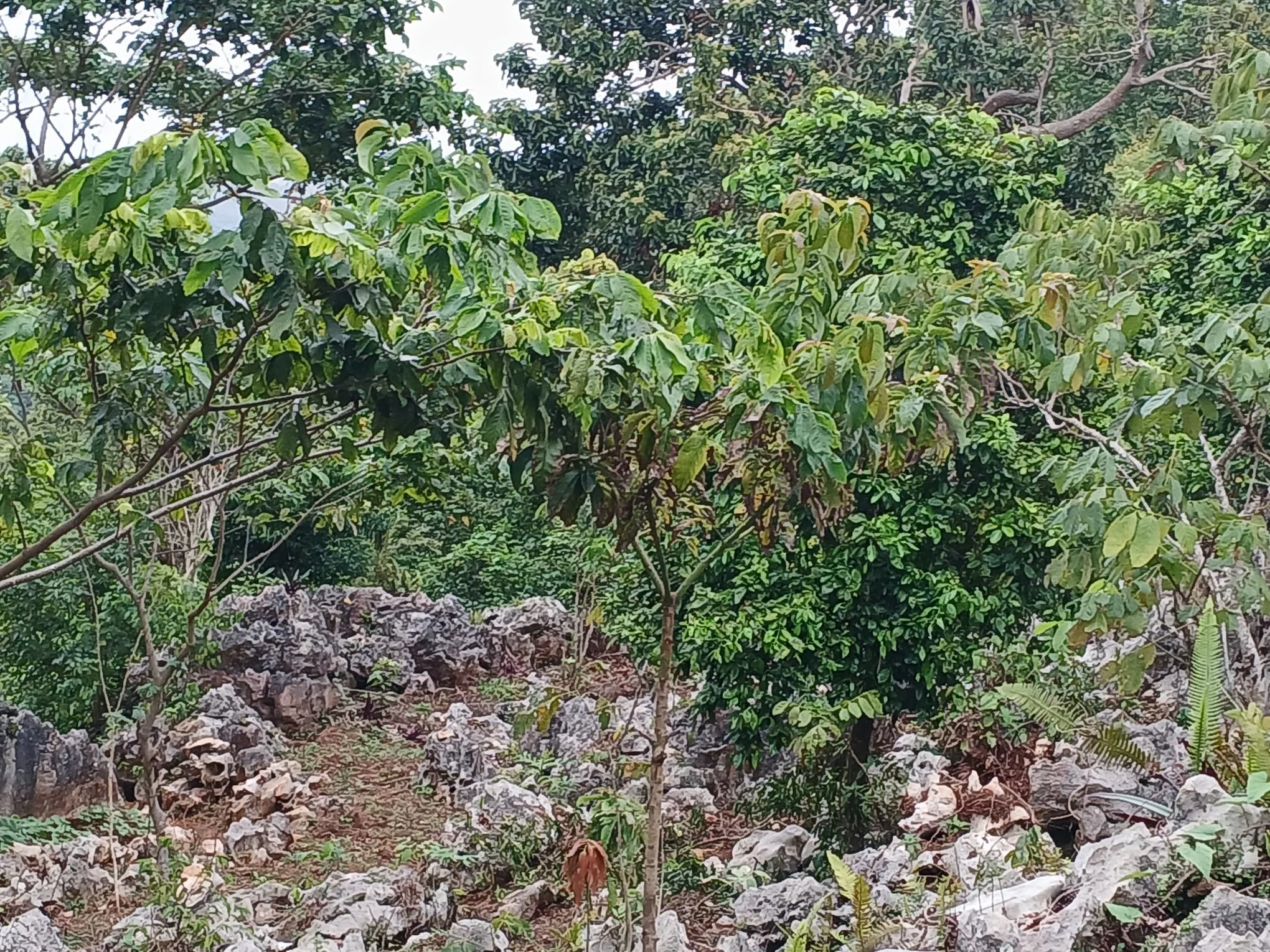
Trees in our community forests.
Community Forest Updates
From January to December 2025, SRDH planted 834 tree seedlings and 2700 coffee in our community forests and on the lands of the farmers that we collaborate with. We continued planting and maintenance of our two established community forests and leased 85 acres to start a third community forest. The new community forest now contains 2700 coffee seedlings and 415 trees.
Our three community forests span 121 acres in total. Additionally, we have continued tracking our trees using the TreeTracker application through Greenstand. You can view our tracked trees here.
Agroforestry and Partnership Updates
Agroforestry is a bucket of land management techniques that integrate tree planting with annual crops, perennial crops, and/or livestock. We are now working with 10 farmers on implementation and maintenance of their agroforestry projects.
We have continued our partnership with the Trees that Feed Foundation. This year, they supported our efforts to re-track trees that they provided us using TreeTracker. We will continue our partnership with them next year. Since 2021, they have provided us with 1656 fruit trees.

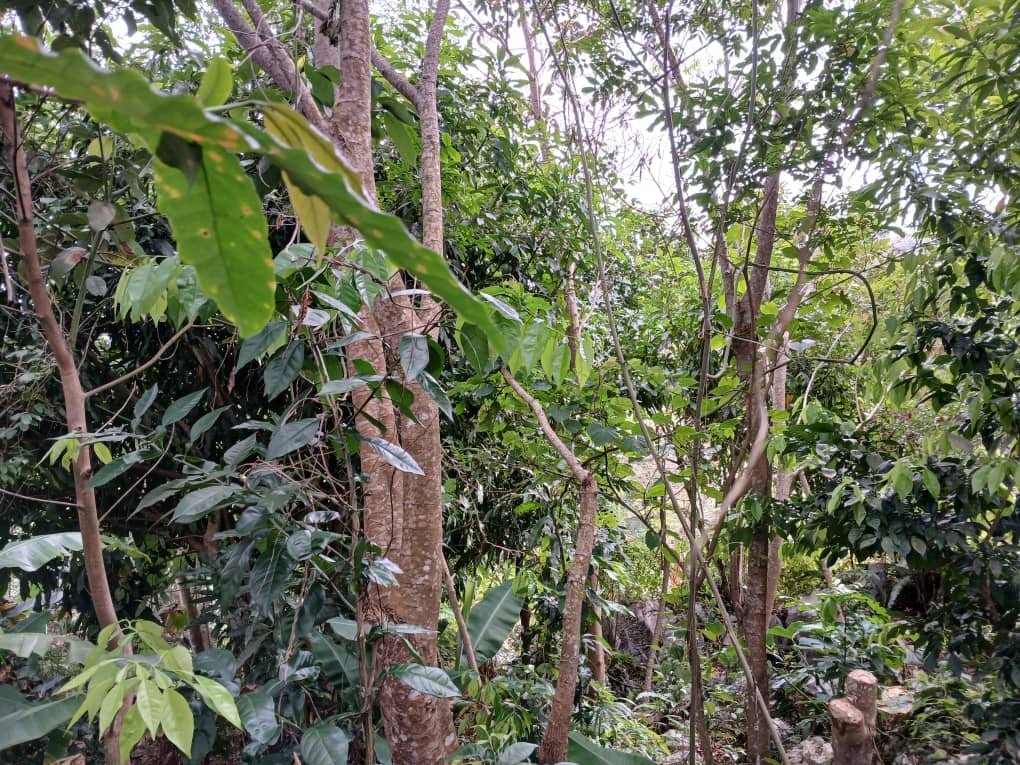
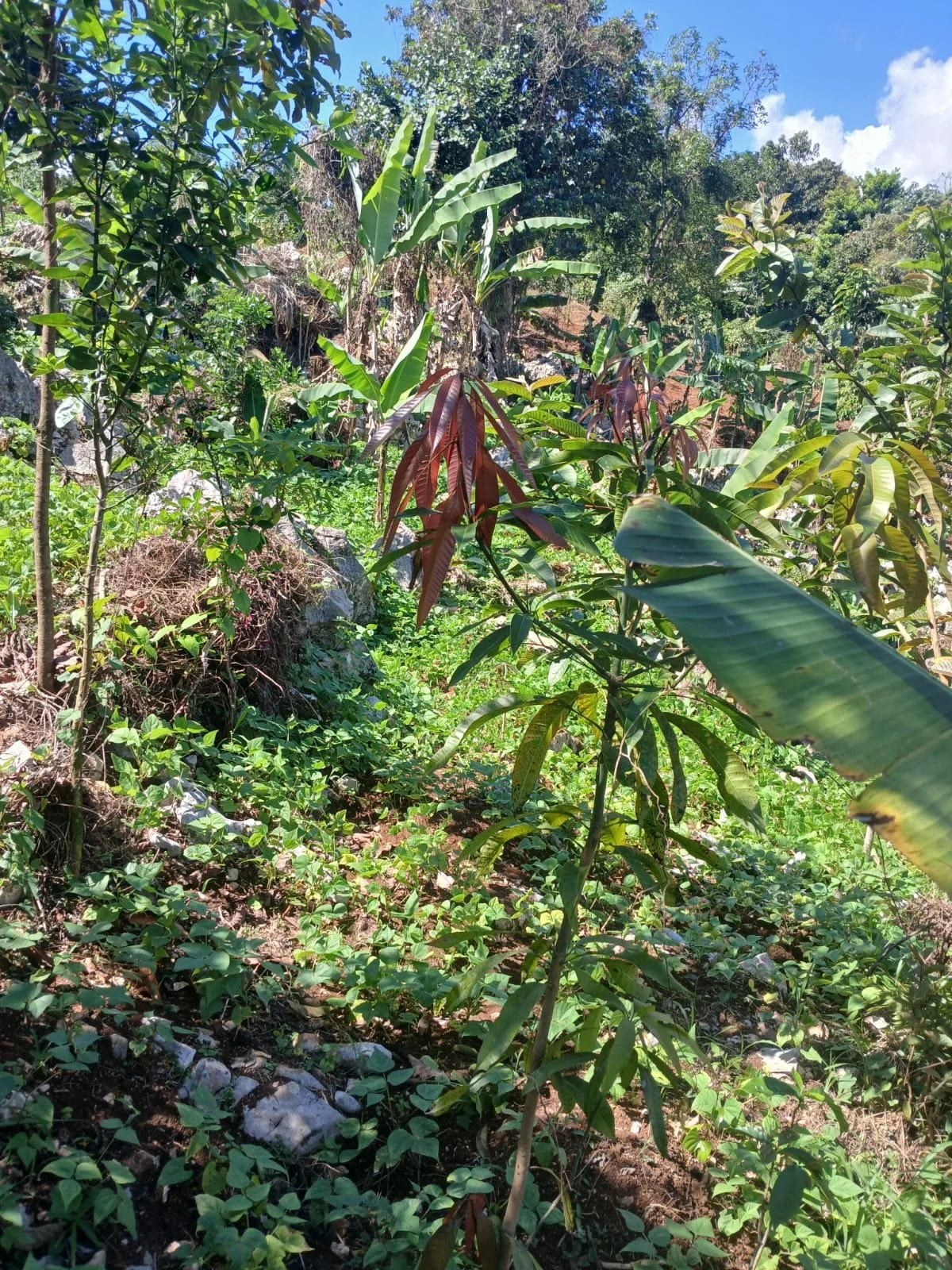
Lakou-style agroforestry on a partnering farmer’s land.
Capacity Trainings and Monitoring
On March 3 and 4, 2025, we continued capacity building training sessions based on the Open Standards for Conservation to strengthen the capacity of SRDH staff and local organizations. We had 29 participants from 8 different organizations, as well as university students. There was so much interest in these training sessions that we had to restart the series. We have now completed trainings for the first five modules in the training series.
In addition to the Open Standards materials, our trainers added content on conducting a SWOT analysis (Strengths, Weaknesses, Opportunities, and Threats), as well as a training on Ecosystem Services and Conservation of Biodiversity within agroforestry projects. The series ends in December 2025 or early 2026.
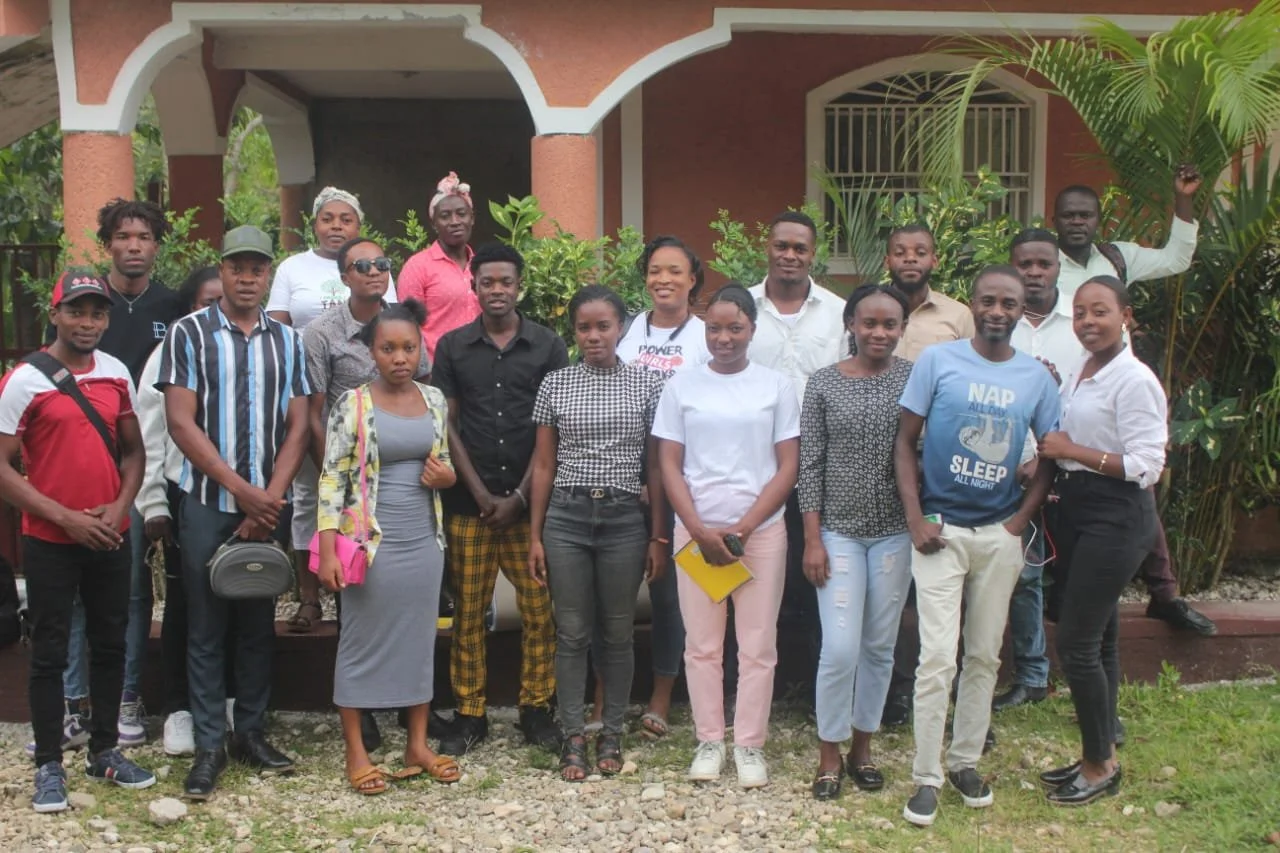
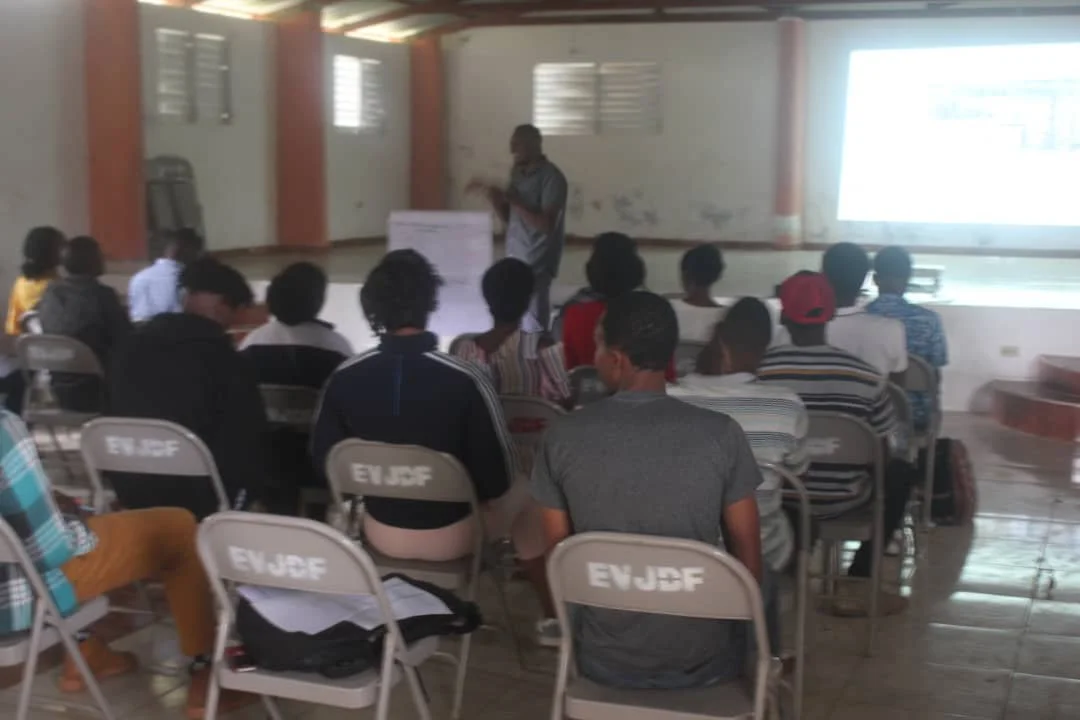
Participants in the March Capacity Training Series.
May 1 Event
The May 1 event was a huge success! Each year on May 1, Haiti’s Arbor Day, we partner with local schools to hold an annual reforestation day. Students and community participants attend morning workshops on the importance of trees, biodiversity, and sustainable forest management techniques. After lunch, participants take seedlings to our community forests and the land of partnering farmers to plant trees and practice what they have learned.
This year, we had 117 participants and planted 834 tree seedlings: 589 breadfruit (Artocarpus altilis), 81 avocado (Persea americana), 72 sweet orange (Citrus sinensis), 58 Spanish cedar (Cedrela sp.), and 34 American mahogany (Swietenia mahagoni). These species provide food, medicine, and sustainable wood products for the community. Mahogany and Spanish Cedar are a native species — planting them contributes to biodiversity and provides food for a wide diversity of insects.
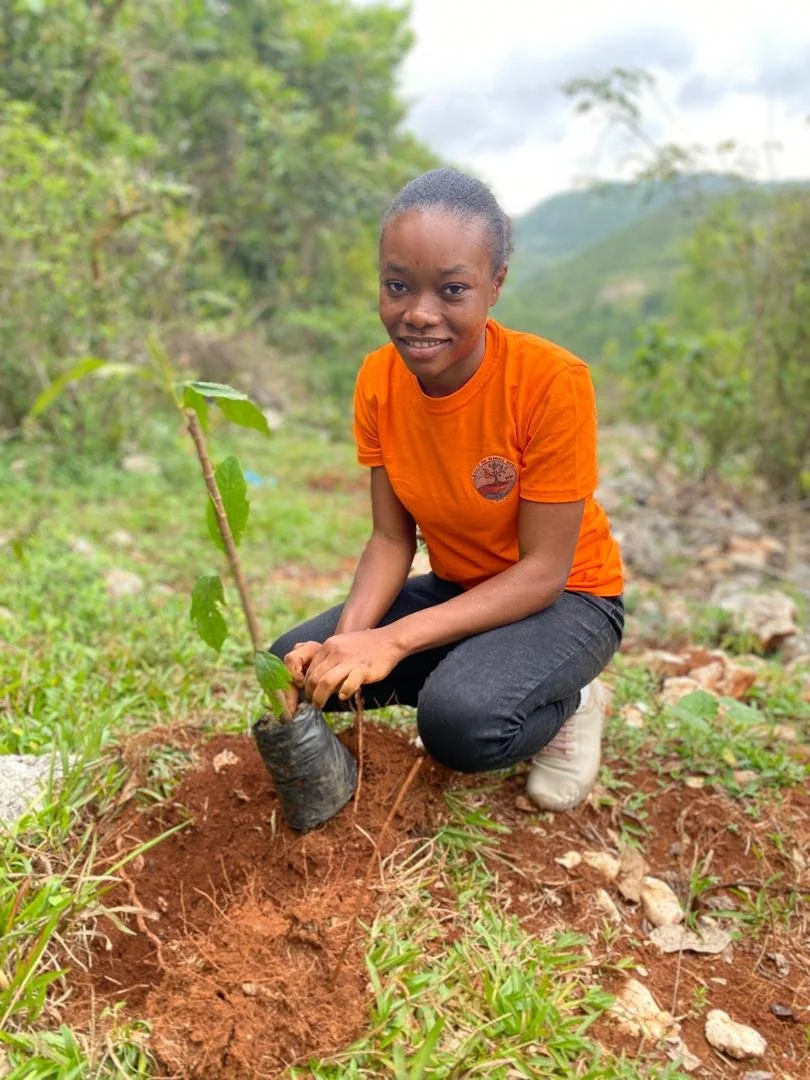
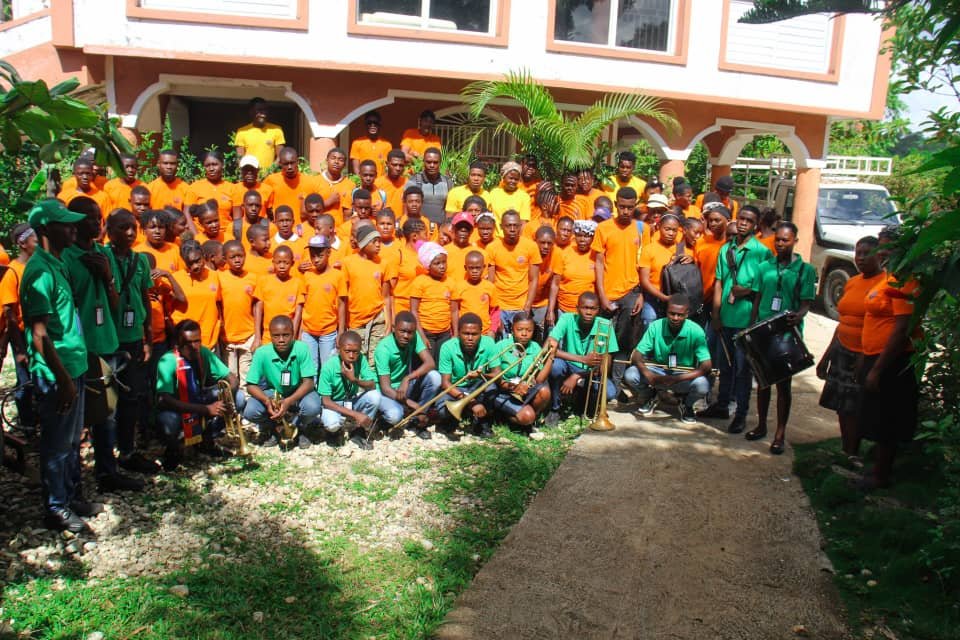
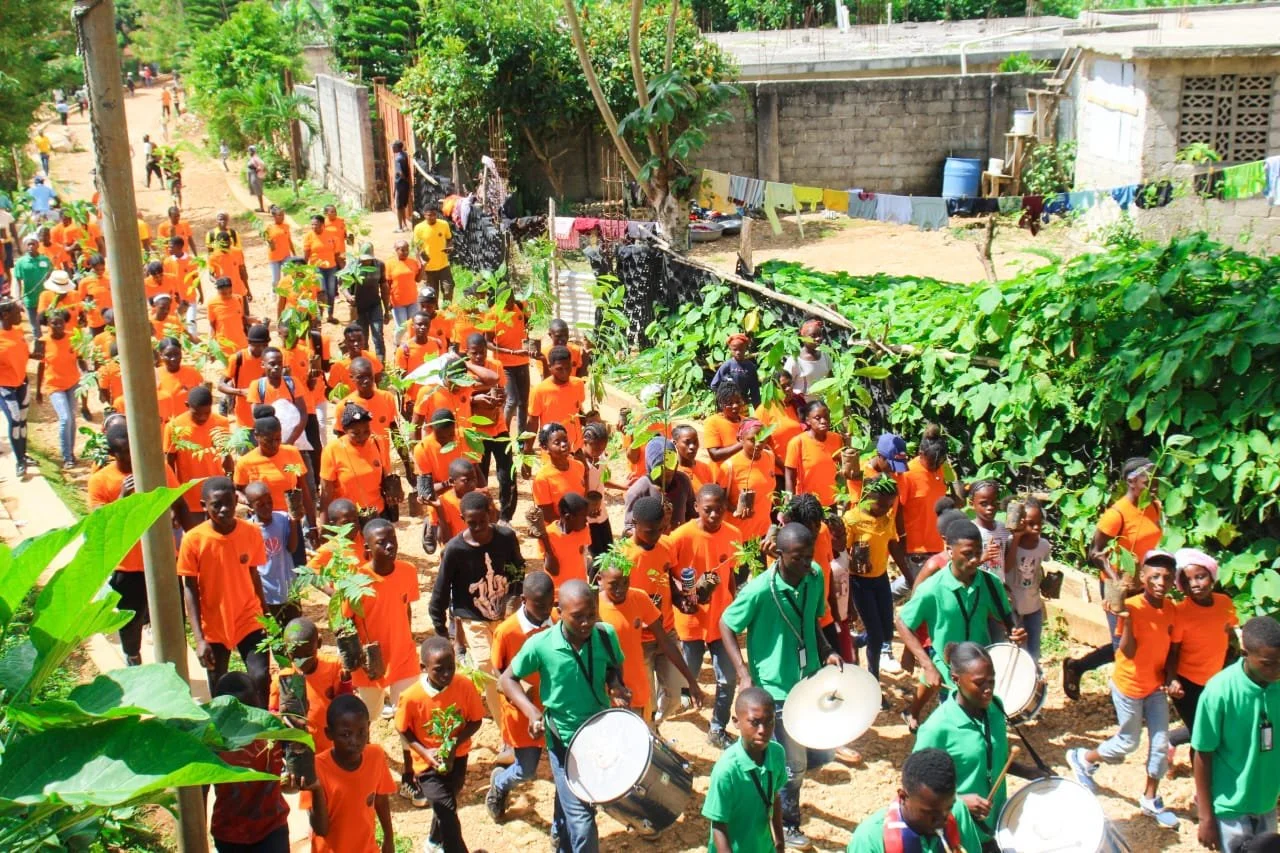
Participants in the May 1 2025 event.
Impacts of Tropical Storm Melissa
Following Tropical Storm Melissa, SRDH conducted an assessment of damages on October 31 and November 1, 2025. SRDH held interviews with a focus group containing 13 community members and local officials - ten men and three women. Through the interviews, respondents indicated that four people in the community were injured, livestock disappeared, many homes were damaged by flooding (exacerbating damages from the 2021 earthquake, many of which have not been repaired), gardens were devastated, and a flu epidemic broke out in the aftermath of the storm. Crops with the worst damages included: bananas, pigeon peas, and yams.
Residents also indicated anxiety about the future. One community member stated: "Almost every four years, we feel like we're going through hell again, and the state has never done anything for us." Three weeks after the tropical storm, there is no concrete action plan and the community faces heightened risks of hunger due to the loss of gardens and livelihoods, exposure to the elements from home damage, and the spread of influenza and other epidemics. Current needs include: food supplies, financial support for repairs, and access to medical care, clean water, and shelter.
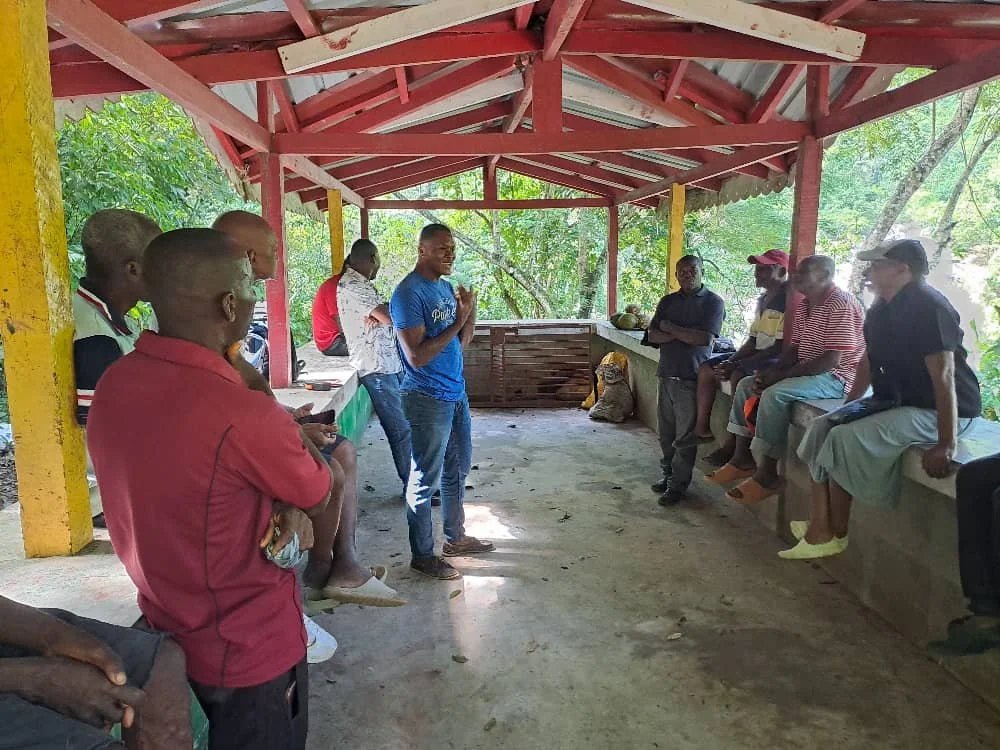
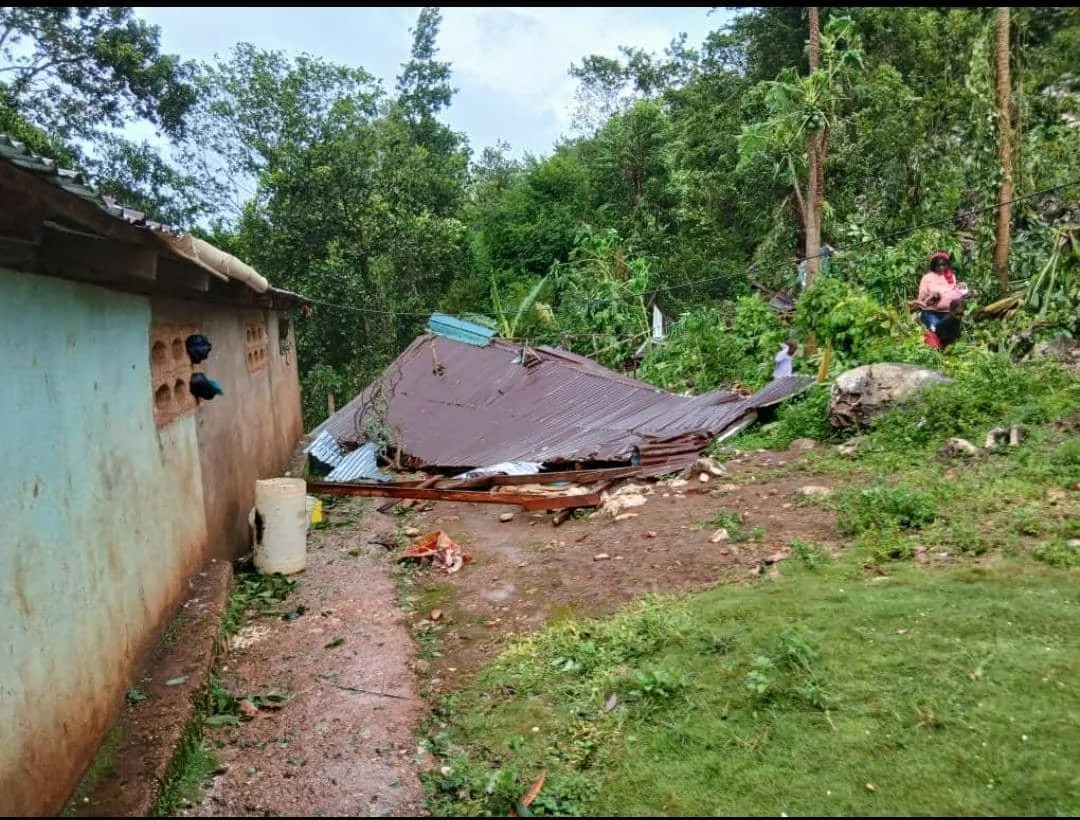
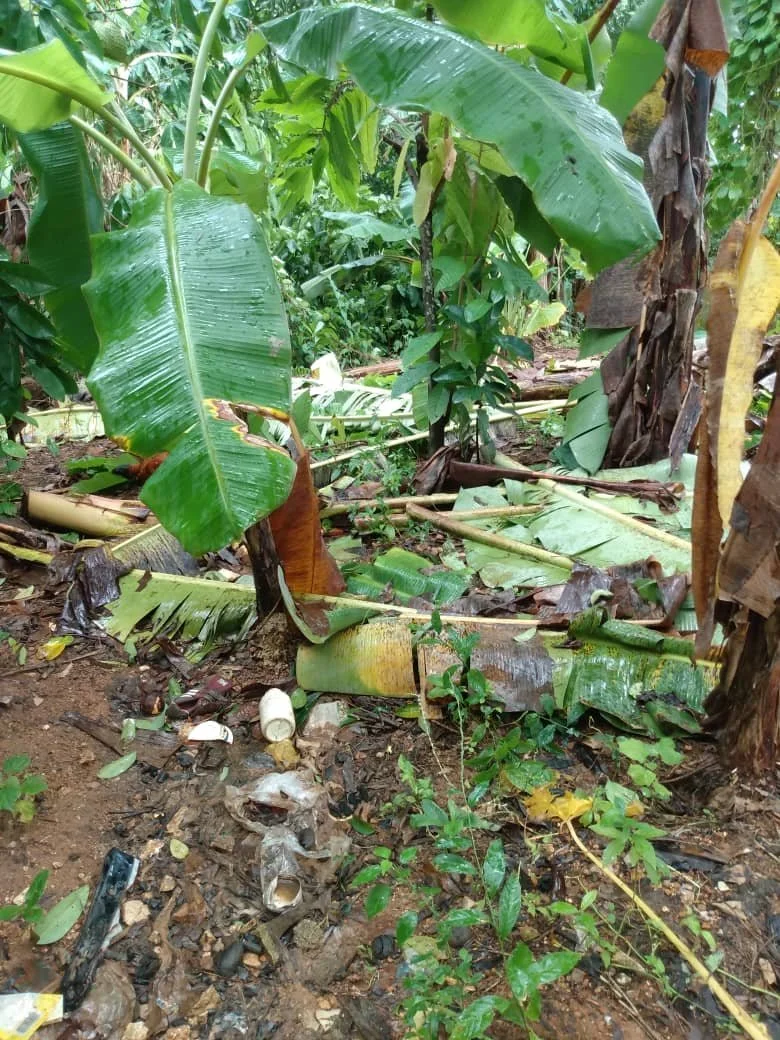
Photo 1: Stakeholder meeting. Photos 2 and 3: Damage from Tropical Storm Melissa.
We hope you enjoyed our updates! We deeply appreciate your continued interest in and support of our work, we could not do it without you. To address the impacts of Tropical Storm Melissa and to continue our work, we need your support! SRDH would like to inspect livestock, gardens, and crops of households impacted by Melissa and assist with recovery. This intersects with our previous plan to implement a Lakou Project (homegarden project), aimed at addressing food insecurity in the region. You can click here to make a tax-exempt donation.